Death Wish (1974) Review – An Excellent Bit Of Cinema
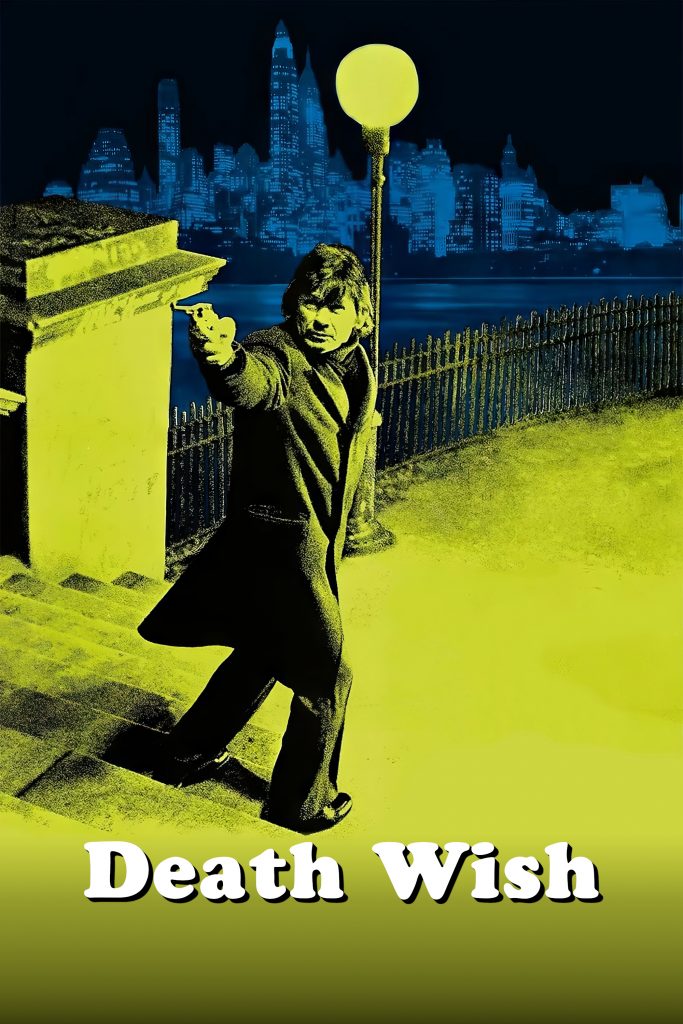
Death Wish isn’t just a thriller—it’s a flashpoint. Released in 1974, it arrived at a moment when urban crime headlines dominated public anxiety, and it tapped directly into that tension. Directed by Michael Winner and adapted from Brian Garfield’s novel, the film turned Charles Bronson into an international icon while igniting conversations that still echo today.
Bronson plays Paul Kersey, a successful New York architect whose life is violently upended when his wife is murdered and his daughter assaulted during a home invasion. The attack is swift, cruel, and deeply destabilizing. What makes the film unsettling is not just the violence itself, but what follows.
Kersey isn’t introduced as a man inclined toward brutality. He’s liberal, soft-spoken, almost passive. But grief curdles into disillusionment as the police investigation stalls and the legal system appears powerless. Slowly, methodically, he begins to prowl the city at night, baiting muggers and responding with lethal force.
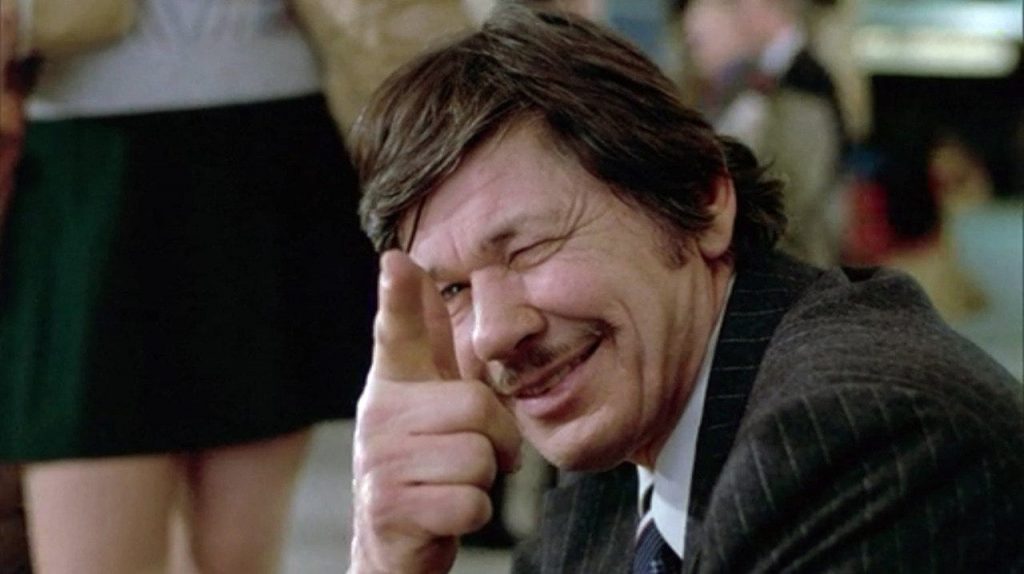
Bronson’s performance is a study in restraint. There are no explosive monologues or grand speeches about justice. Kersey’s transformation happens internally. A hardened stare replaces warmth. Silence replaces conversation. Bronson communicates the shift through posture and presence rather than theatrics.
What makes the performance effective is its ambiguity. Kersey isn’t framed as a swaggering hero. There’s something hollow about him—like a man operating on autopilot. His nightly hunts feel less triumphant than compulsive. That ambiguity gives the film weight.
Michael Winner’s direction leans heavily into atmosphere. The New York City depicted here is bleak and shadowed, defined by graffiti-covered subways, dimly lit parks, and an ever-present sense of threat. Cinematography captures a city on edge, amplifying the film’s tension. It’s not romanticized grit—it’s oppressive.
The score by Herbie Hancock adds a distinctive layer. Instead of bombastic orchestration, Hancock’s jazz-infused compositions underscore the urban setting with moody, almost hypnotic tones. The music doesn’t tell you how to feel—it unsettles you quietly.
What keeps Death Wish from becoming simple exploitation is its tonal restraint. The violence, while impactful, isn’t stylized for spectacle. Kersey’s confrontations are abrupt, sometimes clumsy. There’s no superhero finesse. Just raw, unfiltered action.
The film walks a razor-thin line between critique and endorsement. On one hand, it presents vigilantism as a symptom of systemic failure. On the other, it depicts Kersey gaining a certain mythic status in the press, sparking public fascination. The ambiguity fuels debate rather than resolving it.
Paul Kersey becomes both symbol and warning. Is he reclaiming order, or surrendering to rage? The film refuses to offer easy answers. Even as criminals begin to fear the streets, there’s no sense of healing. The city doesn’t feel safer—just more fractured.
Bronson’s stoicism proved perfectly suited to the role. His screen persona—already defined by toughness—became synonymous with the vigilante archetype after this film. Yet there’s something crucial in his restraint. Kersey doesn’t relish what he’s doing. He adapts to it.
Supporting performances from Hope Lange and Vincent Gardenia help ground the narrative. Lange’s presence in the early portion of the film establishes emotional stakes that ripple throughout. Gardenia’s portrayal of a weary detective hints at institutional frustration rather than incompetence.
As a cultural artifact, Death Wish had undeniable impact. It reshaped the vigilante genre, influencing countless films that followed. It also solidified Bronson as a symbol of blunt, uncompromising justice in an era craving certainty.
But beyond its influence, the film endures because it provokes. It confronts viewers with uncomfortable questions about fear, justice, and personal responsibility. It doesn’t romanticize violence entirely—but it doesn’t fully condemn it either.
The final moments leave Kersey poised between worlds—neither redeemed nor destroyed. The ambiguity lingers.
Raw, tense, and morally complicated, Death Wish remains one of the defining thrillers of the 1970s. It’s not clean. It’s not comforting. But it’s undeniably powerful.
Check out more reviews at Action Reloaded